Interesting Facts About Borobudur: Things You Should Know Before Visiting
There are many interesting facts about Borobudur that can make a visit more memorable. This ancient monument is known for its impressive stone structure, Buddhist heritage, detailed carvings, and distinctive stupas. However, many of its fascinating details are easy to miss when travelers only focus on taking photos. Learning about the monument beforehand can provide a better understanding of what makes Borobudur special.
Borobudur Is an Ancient Buddhist Monument
Borobudur was built many centuries ago as a Buddhist monument in Central Java. Its large stone structure reflects the architectural skills of the people who constructed it.
The monument was designed as more than a place to admire. Its terraces, pathways, statues, reliefs, and stupas work together to create a meaningful architectural journey.
Today, Borobudur remains one of the most recognizable cultural landmarks in Indonesia and an important destination for travelers visiting the Yogyakarta and Central Java region.
The Monument Has a Unique Shape
One of the most interesting facts about Borobudur is its unusual structure. The monument does not look like a typical temple building with large enclosed rooms.
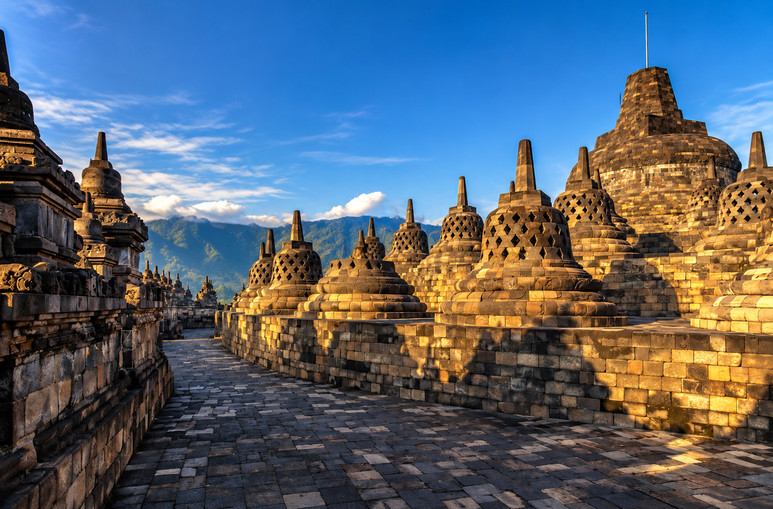
Instead, it rises through several terraces. The lower sections have square-shaped galleries, while the upper section consists of circular platforms.
At the highest point stands a large central stupa. This combination of square and circular forms gives Borobudur its distinctive silhouette.
Its Walls Tell Visual Stories
Borobudur is famous for its extensive stone reliefs. The carved panels cover large sections of the monument and contain numerous scenes involving people, animals, buildings, nature, and religious stories.
These carvings allow visitors to explore different details while walking through the galleries. Some scenes focus on Buddhist teachings, while others provide visual representations of life and culture.
The reliefs are therefore an important part of the monument’s identity. They turn the walls into a form of storytelling through stone.
For a deeper look at Borobudur’s history, structure, Buddhist meaning, and other details, you can explore this Borobudur facts guide.
Borobudur Has Hundreds of Buddha Statues
Another fascinating feature is the large number of Buddha statues distributed throughout the monument. Some statues are placed inside niches along the square terraces.
Others are located within the perforated stupas on the circular platforms. Their positions create a strong relationship between sculpture and architecture.
The statues can also appear various depending on where visitors stand. Moving around the monument provides changing views of the figures and their surrounding structures.
The Upper Area Looks Different
Architectural atmosphere changes as visitors climb higher. The lower galleries contain detailed walls and numerous reliefs, creating a more enclosed environment.
The upper platforms feel more open. Instead of extensive narrative carvings, visitors encounter rows of stupas and wider views of the surrounding landscape.
This gradual change is one of the features that makes walking through Borobudur various from simply viewing it from the outside.
Borobudur Connects Architecture and Spiritual Ideas
Borobudur’s design is closely connected with Buddhist concepts. The various architectural sections represent stages within Buddhist cosmology.
Upward movement through the monument can therefore be viewed as more than a physical climb. The changing architecture creates a progression from detailed lower spaces toward simpler upper areas.
This combination of physical movement and symbolic meaning makes Borobudur particularly interesting to explore.
Why These Facts Matter
These interesting facts about Borobudur show that the monument is much more than an ancient stone structure. Its terraces, reliefs, Buddha statues, stupas, and symbolic layout were brought together to create a carefully designed cultural and religious monument.
Travelers who want to explore Borobudur and other destinations around Central Java can also explore Borobudur Tours.
Taking time to understand these details can change the way visitors experience the site. Instead of seeing only the famous stupas and panoramic views, travelers can notice the stories, craftsmanship, and architectural ideas that make Borobudur a remarkable part of Indonesia’s heritage.