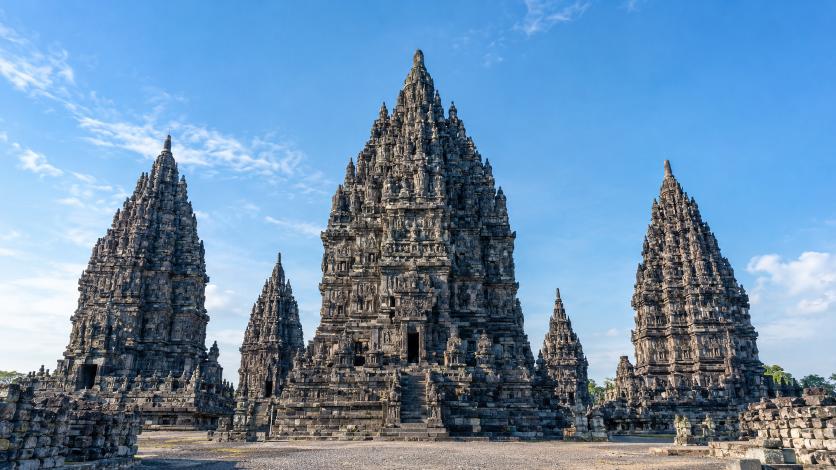
Prambanan Temple History from Royal Origins to Today
Prambanan temple history stretches back more than a thousand years. The compound rose on the plains near Yogyakarta during a golden age of Javanese kingdoms. However, many visitors see only the towers and miss the story behind them. Therefore, this guide explains who built the temple, why it faded, and how people brought it back to life.
The Ninth Century Beginnings
Builders began Prambanan in the ninth century. Historians often link its start to Rakai Pikatan, a ruler of the Mataram kingdom. In addition, later kings expanded the compound with more shrines and walls. As a result, the site grew from a few main temples into a vast sacred complex.
The temple honors the Hindu Trimurti, the gods Brahma, Vishnu, and Shiva. Moreover, it stood close to major Buddhist monuments, which shows how different faiths shared the region. For a deeper look at the design, read this guide on Prambanan temple architecture explained for curious travelers.
Why the Kingdom Moved On
Around the tenth century, power shifted away from Central Java. Scholars suggest several reasons, including volcanic activity and political change. Consequently, the court moved east, and the temple lost its royal patrons. Over time, caretakers became fewer, and the compound slowly fell quiet.
Centuries of Decay
Earthquakes damaged the structures again and again. In addition, jungle growth and falling stones buried many shrines. Meanwhile, local communities kept stories of the site alive, even when the buildings lay in ruins. Therefore, the memory of Prambanan never fully disappeared.
Rediscovery and Early Restoration
In the nineteenth century, European scholars and officials documented the ruins. Next, teams cleared debris and recorded the layout. Restoration began in earnest in the early twentieth century and continued for decades. Notably, workers rebuilt the main Shiva temple after long, careful study of the fallen stones.
Recognition and Preservation
UNESCO listed Prambanan as a World Heritage Site in 1991. This recognition brought attention, funding, and stronger protection. However, the work never ends. A strong earthquake in 2006 damaged several structures, so restorers returned to repair them. As a result, visitors may still see roped off areas during a visit.
How to Experience the History Today
Arrive early to enjoy soft light and fewer crowds. Wear light, modest clothing and closed shoes with good grip. Furthermore, a local guide brings the story to life by explaining each building and relief. Because opening hours and access rules can change, confirm the latest details before you go.
Plan Your Visit with Local Experts
Seeing Prambanan is easier when someone handles the logistics. That is why Borobudur Tours can help. Their team offers organized packages, experienced guides, and flexible options for couples, families, and groups. As a result, you can focus on the story instead of the schedule.
Conclusion
Prambanan temple history moves from royal glory to long silence and careful revival. Understanding that journey makes every tower feel more meaningful. Consequently, your visit becomes more than a photo stop.
Ready to explore? Visit Borobudur Tours today and reserve your trip for a memorable day.