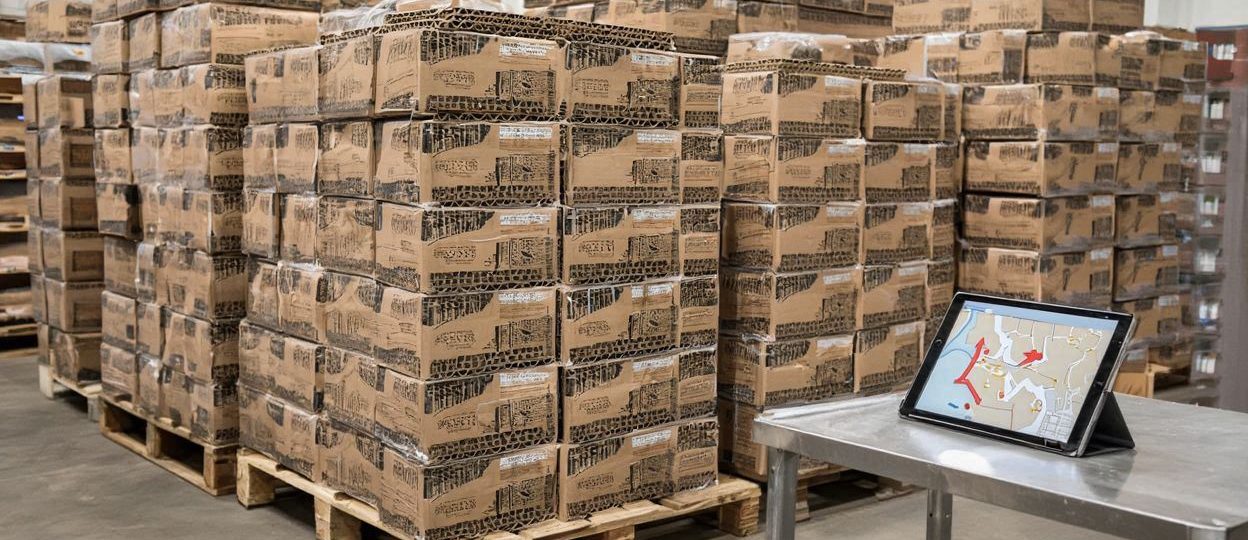
Charcoal Briquette Shipment Tracking Guide for Efficient Delivery
Charcoal briquette shipment tracking guide is essential for businesses involved in exporting briquettes to international markets. Since shipments often pass through multiple transit points, ports, and customs processes, tracking becomes a critical part of logistics management. Therefore, understanding how to monitor shipments effectively can help businesses reduce delays and ensure timely delivery.
To gain a deeper understanding of the tracking process, you can read this detailed resource on how to track charcoal briquette export shipment, which explains each step clearly and practically.
Why You Need a Charcoal Briquette Shipment Tracking Guide
First of all, having a proper tracking guide allows businesses to maintain full visibility over their shipments. Without structured monitoring, delays and miscommunication can occur. As a result, this may disrupt supply chains and affect customer satisfaction.
In addition, a clear tracking guide helps improve coordination between exporters, freight forwarders, and buyers. Consequently, businesses can respond quickly to any issues and maintain smooth operations.
- Ensure timely shipment delivery
- Improve logistics visibility
- Reduce risks of shipment delays
- Enhance customer trust
Step-by-Step Charcoal Briquette Shipment Tracking Guide
Next, following a structured approach makes shipment tracking more effective. Below are the essential steps businesses should follow.
1. Obtain Shipment Documentation
To begin with, collect all necessary shipment documents such as tracking numbers, container numbers, and Bill of Lading. These details are essential for accessing shipment data. Without them, tracking cannot be performed accurately.
2. Use Carrier and Shipping Line Systems
After that, enter the shipment details into carrier or shipping line tracking platforms. These systems provide updates on cargo movement, port arrivals, and estimated delivery times. Therefore, they are highly reliable for monitoring shipments.
3. Utilize Freight Forwarder Dashboards
In addition, freight forwarders often offer integrated dashboards that combine data from multiple carriers. As a result, businesses can monitor all shipments in one place more efficiently.
4. Monitor Shipment Progress Consistently
Furthermore, consistent monitoring is essential. By checking updates regularly, businesses can quickly identify delays or issues. Consequently, they can take immediate action to resolve them.
For more logistics insights and useful resources, you can also visit chillinks.com, which provides valuable information related to shipment tracking and export management.
Common Challenges in Briquette Shipment Tracking
However, even with advanced tracking systems, some challenges may still arise. For instance, tracking updates may be delayed due to system synchronization. Similarly, customs clearance processes can slow down shipments unexpectedly.
- Delayed tracking updates
- Incomplete shipment data
- Customs clearance delays
- Communication gaps between logistics partners
Therefore, businesses should always verify shipment details and maintain communication with logistics providers. In addition, proactive monitoring can help minimize these issues.
Best Practices for Tracking Charcoal Briquette Shipments
To improve tracking accuracy, businesses should follow best practices. Not only do these steps enhance visibility, but they also increase efficiency.
- Double-check shipment documentation
- Use multiple tracking tools if needed
- Enable real-time notifications
- Keep records well organized
- Communicate regularly with partners
Moreover, consistency is key. By reviewing shipment updates frequently, businesses can stay informed and respond quickly to any issues.
Benefits of Using a Shipment Tracking Guide
Finally, implementing a structured tracking guide provides long-term benefits. For example, businesses can improve inventory planning and reduce operational risks. In addition, accurate tracking enhances customer trust by providing reliable delivery updates.
Furthermore, effective tracking systems streamline logistics operations. As a result, companies can remain competitive in the global charcoal market.
- Better inventory management
- Improved delivery reliability
- Enhanced customer satisfaction
- Reduced logistics risks
Conclusion
In conclusion, having a complete charcoal briquette shipment tracking guide is essential for successful export operations. With the right tools and strategies, businesses can monitor shipments accurately and ensure timely delivery.