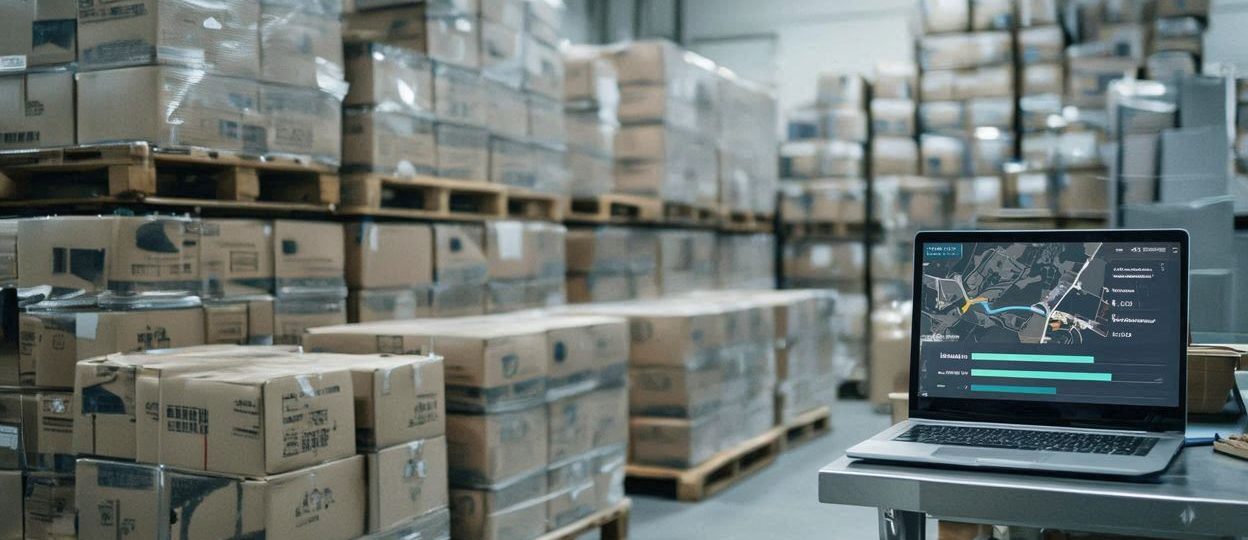
How to Check Shisha Charcoal Delivery Progress
How to check shisha charcoal delivery progress becomes important when businesses depend on consistent supply for distribution, retail, or shisha lounge operations. Without clear tracking, delays and uncertainty can interrupt operations. Therefore companies must use proper systems to monitor delivery status from shipment departure to final arrival.
Moreover modern logistics tools allow buyers to track shipments with accurate and real time data. By combining tracking platforms, shipping documents, and supplier communication, businesses gain better visibility and control over delivery progress.
Understanding Delivery Stages in Shisha Charcoal Shipping
First suppliers complete production and prepare packaging for shipment. After that they arrange transportation through freight forwarders or shipping companies. At this stage suppliers provide essential documents such as the Bill of Lading, invoice, and packing list.
Next the shipment moves to the port and enters the export process. Shipping companies load containers onto vessels and send them to the destination country. During transit buyers can check delivery progress through container tracking systems and shipping updates.
For a more detailed explanation about tracking systems, you can read how to track your shisha charcoal shipment effectively to understand how monitoring works across international shipments.
Effective Ways to Check Delivery Progress
Businesses use several methods to check shisha charcoal delivery progress efficiently. First they use container tracking tools provided by shipping lines. These tools display vessel position, estimated arrival time, and shipment status updates.
Second buyers maintain communication with suppliers and logistics partners. Regular updates help businesses stay informed about shipment conditions and possible delays.
Additionally digital logistics platforms provide integrated tracking systems. As a result companies receive automated notifications and improve shipment visibility across all delivery stages.
Key Documents for Delivery Tracking
Accurate delivery tracking depends on complete documentation. The Bill of Lading serves as the main tracking reference because it includes container numbers, shipping routes, and consignee details.
In addition the invoice and packing list support verification of shipment contents and quantities. These documents help businesses manage inventory planning and ensure smooth customs clearance.
Therefore companies must organize and review all shipping documents carefully to avoid confusion during delivery.
Common Issues in Monitoring Delivery Progress
Even with tracking systems, businesses may face challenges when checking delivery progress. For example port congestion can delay shipments and affect arrival schedules.
In some situations miscommunication between logistics parties may create inconsistent updates. Therefore companies must maintain clear coordination with suppliers and freight forwarders.
Additionally external factors such as weather conditions or customs inspections may slow delivery timelines. Because of this businesses should prepare contingency plans to handle unexpected delays.
Improving Delivery Monitoring Efficiency
Companies improve delivery tracking by combining technology with consistent communication. For instance they use tracking software while coordinating closely with logistics partners. This approach ensures better transparency and faster response to shipment changes.
Furthermore choosing reliable suppliers plays an important role in shipment success. Trusted partners provide accurate updates, proper documentation, and consistent export schedules.
To explore reliable supply and logistics services, businesses can visit indobriquettescharcoal.com and review available charcoal export solutions.
Conclusion
How to check shisha charcoal delivery progress requires a clear system that combines tracking tools, documentation, and communication. Businesses that apply these methods maintain better control over delivery timelines and reduce operational risks.
As global shipping continues to grow, companies must focus on improving delivery visibility. Therefore using effective tracking strategies becomes essential for maintaining smooth and reliable charcoal distribution.